
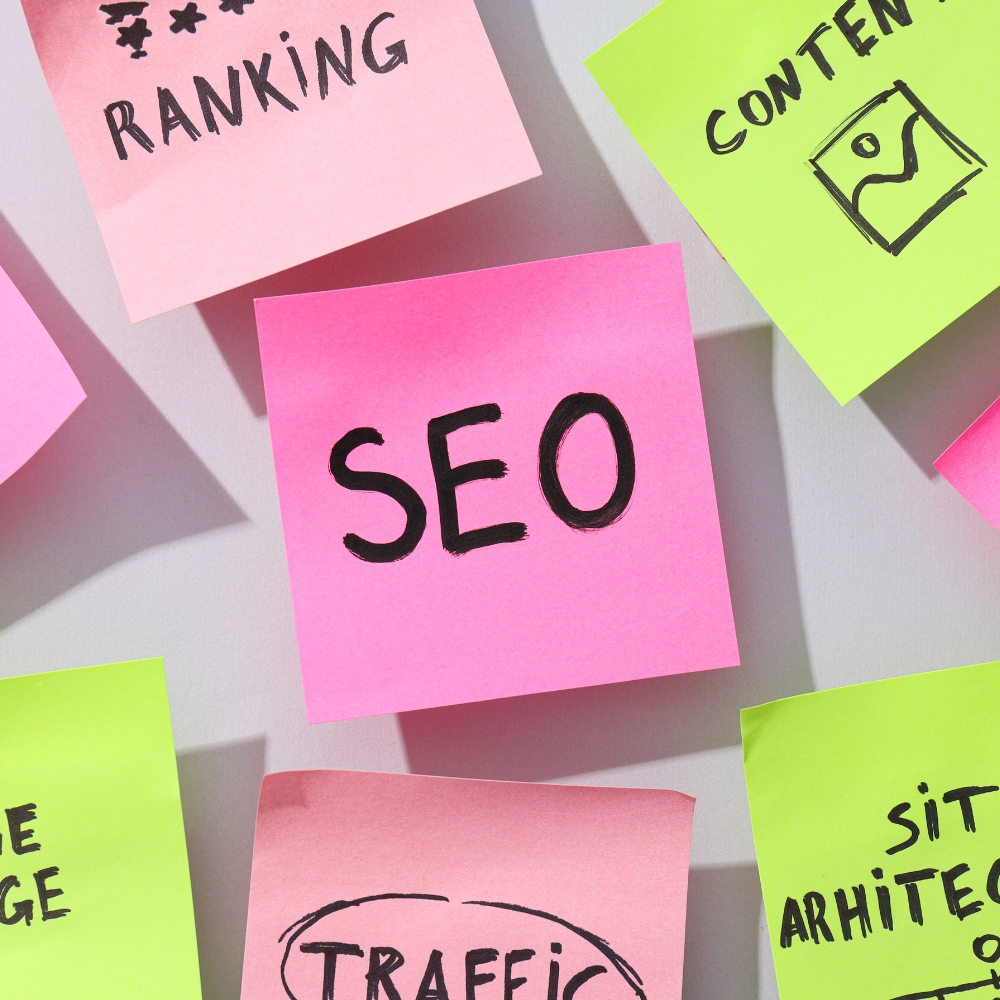
Seo, or Search Engine Optimization, involves enhancing your website to achieve a better ranking on search engines such as Google, Bing or yahoo. Its about enhancing your sites visibility to individuals looking for the products, services or information you provide. Through optimizing your content, keywords and technical configuration, Seo aids in drawing organic (Free) traffic from individuals who are actively searching for what you offer.
Through optimizing your content, keywords, and technical configuration, SEO aids in drawing organic (free) traffic from individuals who are actively searching for what you offer. In contrast to paid advertisements, SEO creates enduring value, attracting steady visitors who have a higher probability of becoming customers since they are already engaged. Consider it as establishing a round-the-clock salesperson that directs the appropriate individuals to your entrance.
Struggling to get your website noticed? You’re not alone. With so many sites competing for attention, standing out on search engines like Google can feel like an uphill battle. But here’s the good news: Understanding and using the Serach Engine Optimization (SEO) the right way can transform your website from a quite, forgotten spot into a bustling hub full of engaged visitors. This guide isn’t just about driving more traffic , its about attracting the right people and turning them into loyal customers
SEO is the art and science of making your website irresistible to search engines and users alike. It’s not solely about achieving the top position on Google (although that’s enjoyable). It involves engaging with individuals who are actively looking for what you provide. Here’s the importance of SEO:
However, just having traffic isn’t sufficient. The true magic occurs when those visitors take action—whether it’s making a purchase, registering, or scheduling a call. Let’s analyze the steps needed to achieve that.
Keywords are the words and phrases people type into the search engines when they are looking for answers or solution. Picking the right one is like is like using the perfect bait to catch the customers to want. Here’s how you can do it:
Research with purpose: Use tools like Google Keyword Planner ,Ahrefs, or Semrush to discover keywords that have a good amount of searches but aren’t too competitive .Focus on long tail keywords (like “
Pro Tip: Create a list of 3-5 primary keywords per blog post. For example, if you sell eco-friendly skincare, target phrases like “natural face cream for sensitive skin” or “best organic moisturizer.” These attract ready-to-buy visitors.
Great SEO content doesn’t just rank ,it builds trust and nudges visitors toward action. Here’s how to write blog posts that turn readers into customers:
Example: A blog post titled “How to Choose the Best Organic Skincare for Sensitive Skin” could include a CTA like: “Discover our dermatologist-approved face cream—shop now and get 10% off your first order!”
Search Insight: According to Neil Patel, giving away valuable content for free (like in-depth guides) can boost conversions by building trust, with some businesses seeing hundreds of thousands in revenue from free resources.
On-page SEO ensures search engines and users love your blog. Here’s what to focus on:
Quick Win: Add a clickable CTA button in your blog’s sidebar or at the end of the post. A single, clear CTA (e.g., “Try Our Skincare Quiz”) can boost conversions by up to 1.64%, especially on high-traffic blogs.
SEO gets visitors to your blog, but Conversion Rate Optimization (CRO) turns them into customers. Combine SEO and CRO for maximum impact:
Case Study: A skincare brand using exit-intent pop-ups with a “Free Skincare Guide” offer saw a 4% conversion rate on 100,000 monthly visitors, adding 4,000 email subscribers monthly.
High-quality backlinks from reputable sites tell Google your content is trustworthy, boosting rankings and attracting more visitors. Here’s how to get them:
Social Proof Hack: Add a testimonial quote within your blog, like “This face cream changed my skin!”—Sarah, CA. It reinforces trust mid-read.
SEO and CRO are not set-it-and-forget-it. Use data to keep improving:
Real Results: Businesses optimizing for SEO and CRO have seen 200%+ traffic increases in 6 months and 3x ROI on ad campaigns. Consistent tweaks make the difference.
You could spend hours piecing together SEO strategies, but why go it alone? At Ad Fluence Marketing Agency, we’re your all-in-one partner for turning clicks into customers. Our subscription plans include:
Our clients have doubled organic traffic in 6 months and boosted email open rates by 40%. Ready to join them?
Don’t let your website languish on page 7 of Google. With the right SEO and CRO strategies, you can attract the right visitors and turn them into loyal customers. Start small—optimize one blog post with a strong CTA today—or go big with Ad Fluence’s expert help.
Ready to skyrocket your growth? Book a free consultation with Ad Fluence and let’s craft an SEO plan that converts. Your customers are searching—let’s make sure they find you.